




When schools reopened in California during the pandemic, masks were mandatory. Students were even punished for not wearing their masks correctly.
Anthony Carnevale, a California dad, had a son in 8th grade who questioned mask mandates. As a result, his son was locked out of the class, had a door slammed in his face, was ridiculed by staff and had grades lowered, according to his father. That’s when Carnevale decided to get involved with his children’s school by running for school board.
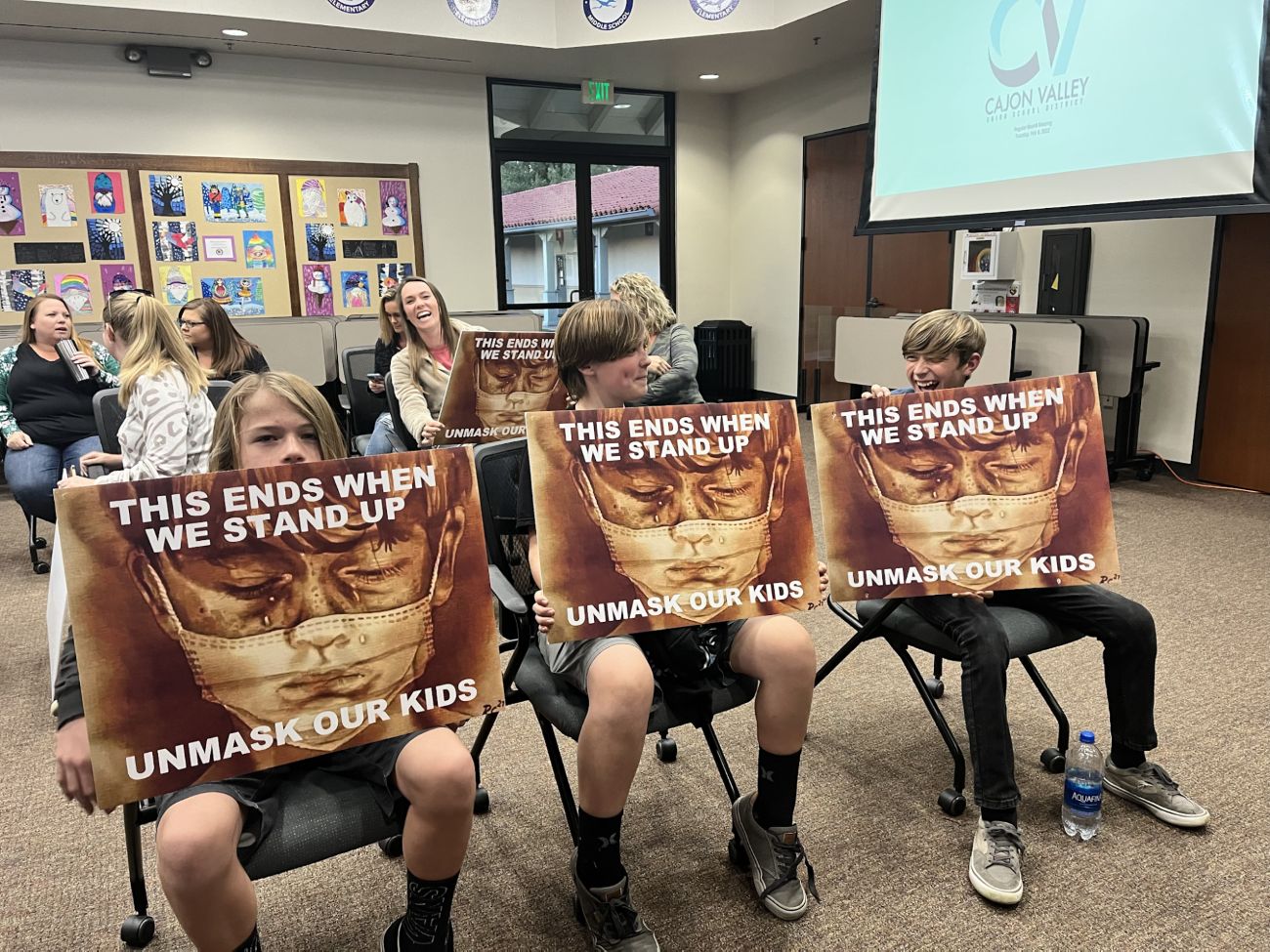
Carnevale ended up defeating incumbent Cajon Valley Union School District board president Tamara Otero in November 2022. His upset made sure the race was more than a routine school board election.
Carnevale won with 62% of the vote, a decisive victory that reflected growing frustration among many California parents over the direction of public education. His campaign focused on parental rights, transparency, and accountability—themes that had become increasingly important to families following years of debates over COVID school closures and curriculum that conflicts with many families’ values.

A father of three with children in the district, Carnevale entered office promising to ask difficult questions and challenge the status quo. Rather than settling into a ceremonial role, he quickly established himself as one of the board’s most outspoken members, scrutinizing district contracts, questioning administrative decisions, and raising concerns about outside organizations working on school campuses.
One of the most publicized controversies involved GLSEN’s “Safe Space” posters, which were displayed in classrooms. The posters included QR codes linking students to online LGBTQ resources, which then collected personal information of students.
Carnevale argued that schools should not display materials directing children to outside organizations without clear district oversight and parental awareness. He questioned whether students could be encouraged to engage with organizations outside the knowledge of their families and maintained that parents deserved greater transparency whenever schools partnered with advocacy groups.

The dispute became a flashpoint in the broader debate over parental rights and the role of schools in addressing issues involving “gender identity” and sexual orientation. Superintendent David Miyashiro initially supported the posters, but ultimately directed that the posters be removed while the district reviewed its policies governing classroom displays.
Carnevale’s willingness to challenge established practices has frequently placed him at odds with Miyashiro. Their disagreements have extended well beyond social issues to include district spending, financial oversight, and governance.
Questions surrounding Miyashiro’s spending intensified after investigative reporting revealed that nearly $400,000 had been charged to his district-issued credit card over roughly 22 months. The expenditures included travel, conferences, meals, catering and other district-related expenses. While the reporting did not conclude the spending was unlawful, it raised questions about oversight, documentation, and public accountability for one of San Diego County’s highest-paid school superintendents.
Carnevale says his favorite quote, the preamble to the Brown Act government code 54950, is his guiding principle on how he serves: “The people of this State do not yield their sovereignty to the agencies which serve them. The people, in delegating authority, do not give their public servants the right to decide what is good for the people to know and what is not good for them to know. The people insist on remaining informed so that they may retain control over the instruments they have created,” the government code reads.
Because of his strong stance on parental rights, Carnevale has drawn the opposition of teachers’ unions.
“School board members would do well to keep their fiduciary duty to the students of their district, top of mind. We are elected to serve, and our boards must ensure the district remains responsive to the values and priorities of the community we represent. We work for the constituents who sent us here, not union interests,” Carnevale said in response.

Whether viewed as a reformer or a provocateur, Carnevale has become one of the most recognizable voices for parental rights in California. Supporters credit him with bringing greater scrutiny to district operations, asking questions they believe had gone unanswered for years, and insisting that parents have a stronger voice in decisions affecting their children. Opponents, including the teacher’s unions, have recruited candidates to unseat him.
There is little dispute, however, that Carnevale has reshaped the conversation. His decisive election victory demonstrated that campaigns centered on parental involvement could succeed against established incumbents, and his tenure has reflected the broader movement of parents seeking a more active role in public education. As new school board races approach across the region, the issues that propelled Anthony Carnevale into office remain at the center of California’s continuing debate over the future of its public schools.